Online Ordering vs. Delivery Apps: What Restaurants Actually Keep
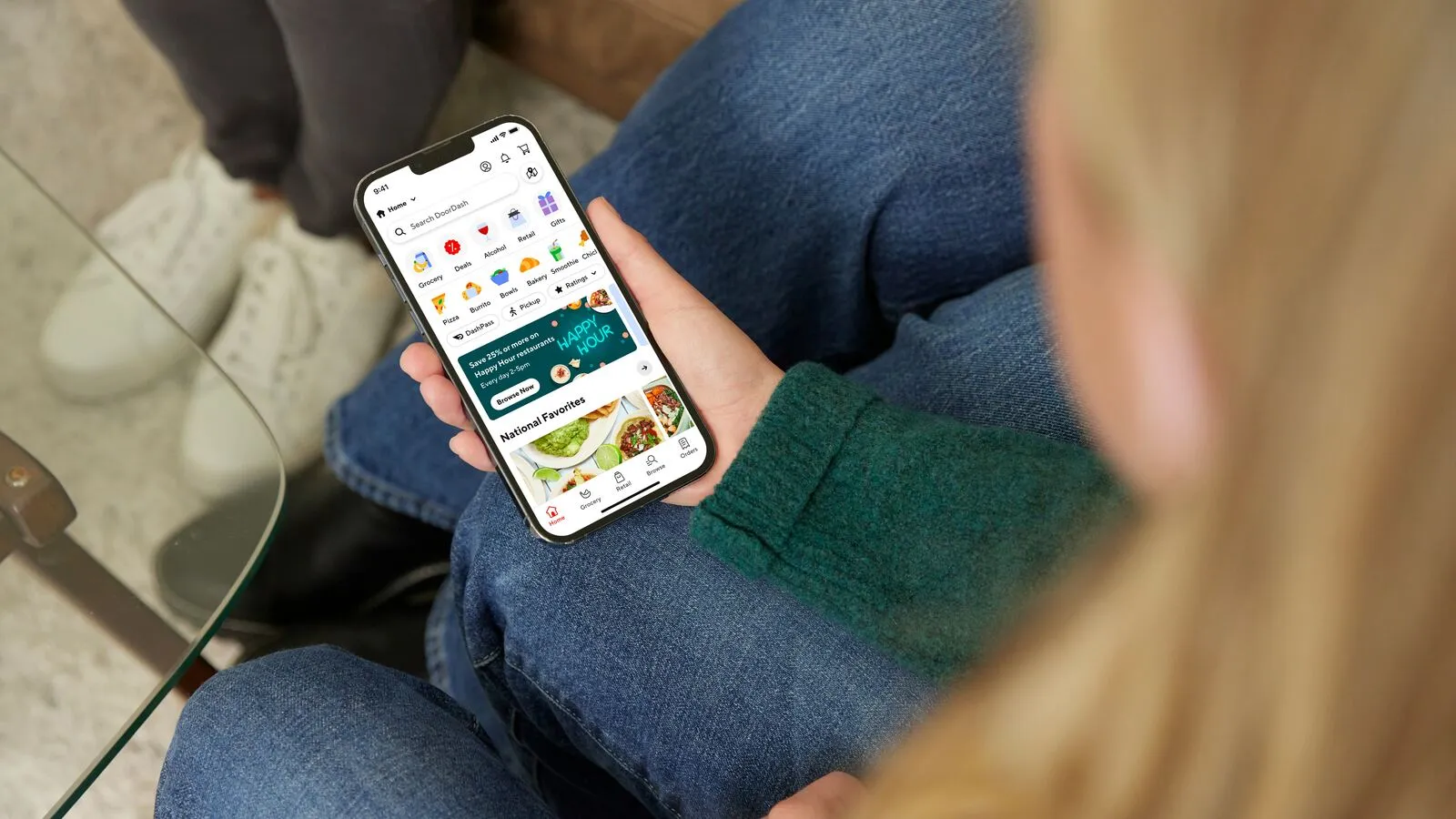
The real difference between delivery marketplaces and your own online ordering isn’t features — it’s who gets paid first. A marketplace takes a percentage of every order before you see it, and that percentage can reach 30%. Direct ordering under your own domain typically charges a flat monthly fee instead, so the amount you keep doesn’t shrink as your order volume grows.
What DoorDash, Uber Eats, and Grubhub Actually Charge
Published commission structures for the major delivery marketplaces, as reported industry-wide in 2026, run roughly:
- DoorDash: 15%–30% per order, depending on the plan tier.
- Uber Eats: 20%–30% per order, after a fee increase in March 2026.
- Grubhub: 5%–20% per order, plus additional service fees on top.
These are commission ranges reported across the industry, not a quote from any single restaurant’s account — your actual rate depends on which plan tier you’re enrolled in and whether you’ve negotiated anything directly with the platform. If you don’t know your current tier, that’s the first thing to check before comparing anything else.
What “Commission-Free” Actually Means
“Commission-free” doesn’t mean free. Direct ordering platforms built for independent restaurants typically charge a flat monthly subscription instead of a percentage, plus standard payment processing — commonly in the range of roughly 3% plus a small fixed fee per transaction, which is close to normal card-processing cost, not a platform markup. The practical difference is that this cost doesn’t move with your order volume: a slow month and a record month cost the same subscription fee, and a $40 order keeps the same share of its value whether it’s your first order of the day or your hundredth.
Why Restaurants Still Use Both
If direct ordering is cheaper per order, the obvious question is why marketplaces still get used at all. The answer is discovery, not cost: a marketplace app puts a restaurant in front of people who weren’t already looking for it by name, in a way a standalone ordering page can’t replicate on its own. That’s a real service, and it’s worth paying commission for — for new customers. It’s a much harder case to make for a customer who already knows your name and searched for it directly, where a 20–30% cut on an order you didn’t need the marketplace to win is money left on the table for no reason.
A Simple Way to Decide Which to Push
The two channels aren’t competing for the same customer, so they don’t need the same treatment:
- Someone who found you through a marketplace app is a new-customer acquisition cost — treat the commission as a marketing spend, because that’s functionally what it is.
- Someone who already knows your restaurant — from a Google search, your Instagram, a regular’s habit — should be pushed toward direct ordering, where you keep what the order is actually worth.
Getting that second group to order directly instead of through an app is mostly about where your own site sends them, which starts with the ordering widget itself — see embedding an online ordering widget without losing attribution and does online ordering work with a custom-built website for how to set that up so it actually sticks.
Sources on commission figures: CloudKitchens, delivery app fees; ChowNow, direct ordering vs. third-party dependence.