Static PDF Menu vs. QR Code Menu: The Real Difference for SEO
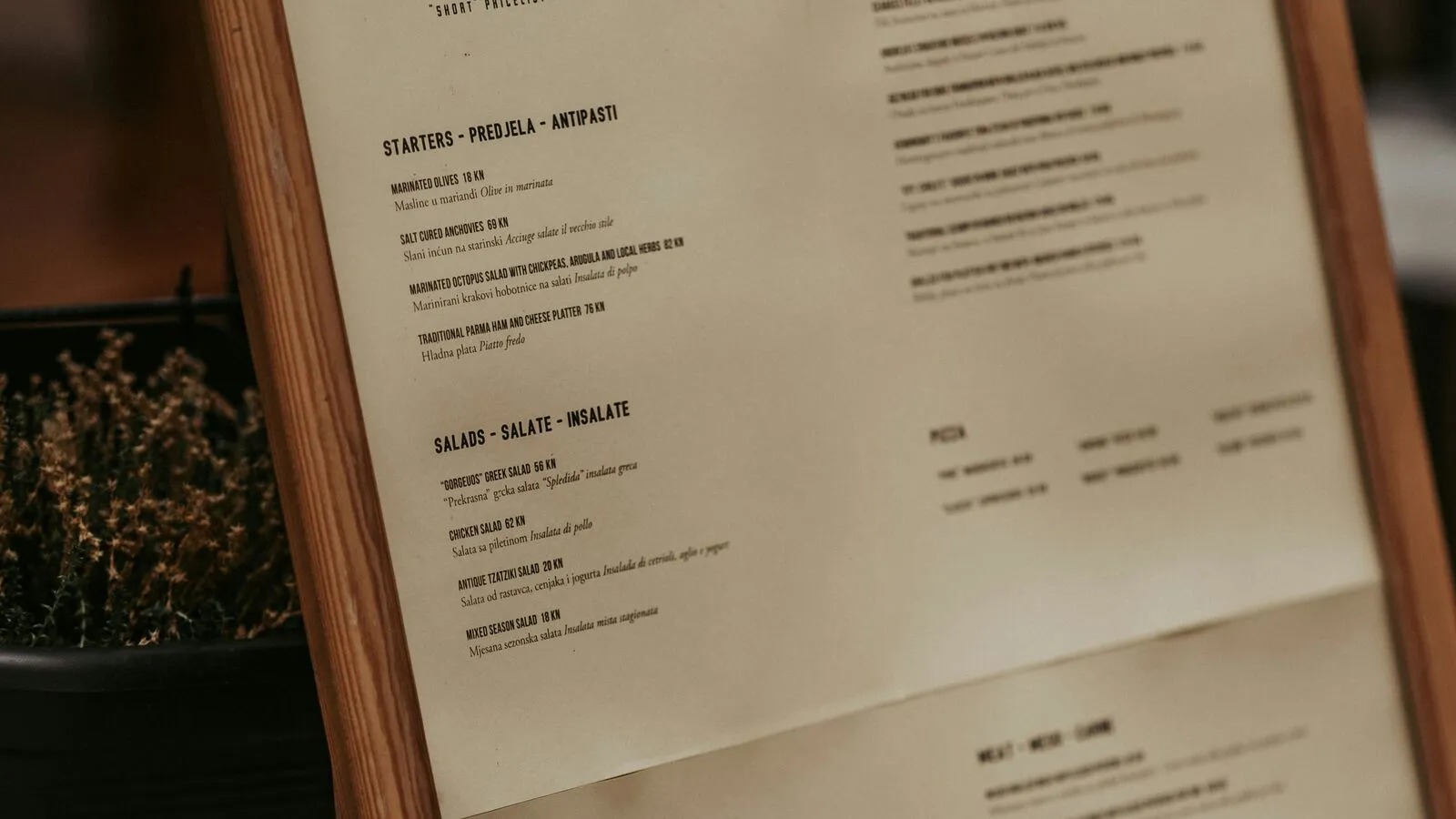
A PDF menu isn’t a lesser version of an HTML menu page — to Google, it’s a mostly different kind of document, and the gap shows up exactly where it matters: whether someone searching for a specific dish or price ever finds the restaurant at all.
What Google Can Actually Read
An HTML menu page is text Google can index line by line, price by price, and match against search queries like “restaurant with vegan tasting menu near me.” A PDF is a flattened document: Google can extract some text from most PDFs, but it can’t easily tell a dish name from a price from a section heading, because none of that structure exists the way it does in proper HTML tags. The practical result is a menu that technically “exists” online but rarely surfaces for the specific searches that would send someone to book a table.
The Pattern That Shows Up Across Real Restaurant Sites
Reviewing how independent restaurant websites structure their menus turns up the same handful of mistakes over and over, regardless of the restaurant’s cuisine or size:
- A PDF standing in for a page. The menu link opens a downloadable file instead of a page on the site, so there’s nothing for Google to index as a normal page in the first place.
- Prices hidden behind an extra click or a zoomed-in scan. Even when the PDF is text-based rather than a scanned image, some layouts make the actual prices effectively invisible to both readers and crawlers.
- A query parameter instead of a real URL for each language. A menu reachable only at
menu.pdf?lang=engives Google no separate, indexable URL for each language version — so none of them build authority on their own.
None of this is about restaurant names; it’s the same pattern independent of who runs the kitchen, which is exactly why it’s worth fixing generically rather than restaurant by restaurant.
What an HTML Menu Page Gets You Instead
Beyond being readable to Google at all, a proper menu page can carry structured data (schema.org Menu markup) that lets search results show individual dishes or price ranges directly, loads faster than a multi-megabyte PDF on a phone connection, and can be updated in minutes instead of requiring a new file export and re-upload. For the technical requirements that make that possible without turning menu updates into a developer task, see how to design a QR code menu page that still ranks in Google.
When a PDF Still Makes Sense
A downloadable PDF isn’t wrong for every case — a printable version for someone planning ahead, or a supplementary wine list, can stay as a PDF without hurting anything, as long as it isn’t the only format the menu exists in. The mistake is using a PDF as the entire menu experience instead of as a secondary option next to a real page. For the wider context on why this mistake has become common enough to be worth writing about, see QR code menus for restaurants: what changed in 2025 and 2026.