Free QR Code Menu Generators vs. Paid Platforms: What's the Catch
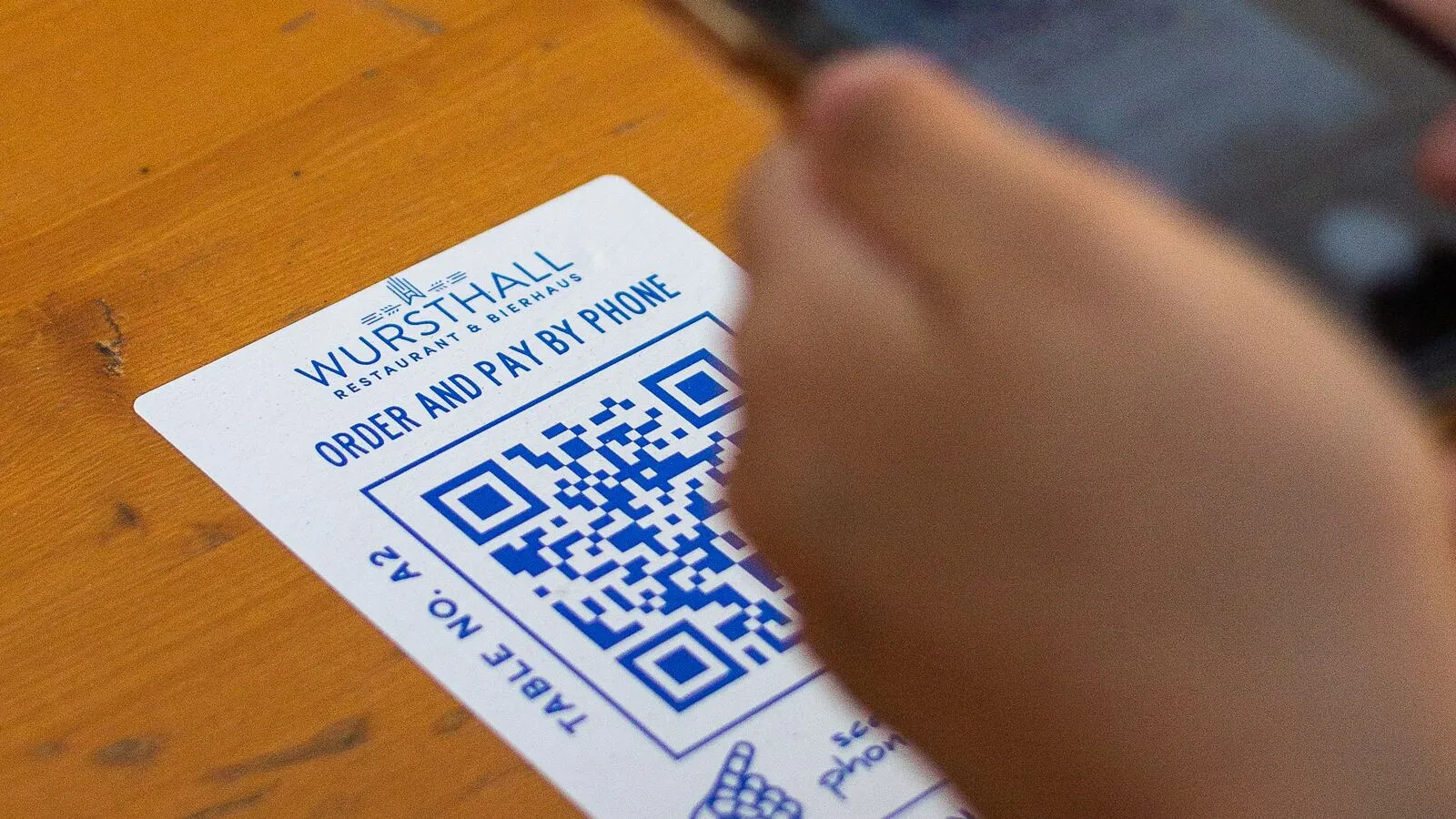
A free QR code generator and a paid one both produce a scannable square that opens a menu — the difference only shows up the first time you need to change what that square points to, which is exactly the moment a free static code can’t help you.
The One Technical Difference That Actually Matters
A static QR code — what nearly every free generator produces — encodes the destination directly inside the pattern of dots itself. Once it’s printed on a table tent or a sticker, the address it points to is permanent; changing your menu’s URL means every printed code is now wrong and needs reprinting. A dynamic QR code instead points to a short redirect address that a paid platform hosts on its own server, and lets you change where that redirect sends people at any time, from a dashboard, without touching a single printed code.
What You Actually Give Up With a Free Generator
Beyond the static-vs-dynamic distinction, free tools typically don’t offer:
- Scan analytics. A free static code gives you no way to know whether it’s being scanned at all, at what times of day, or from which tables — you’re printing it on faith. A dynamic platform’s dashboard shows scan counts over time, which is the only way to tell whether a QR-only menu strategy is actually working.
- A guarantee the destination stays reachable. A static code that points directly to your own domain is safe as long as your own site is up. A dynamic code that depends on a third-party redirect service depends on that service staying in business — worth checking before committing your whole printed menu system to one.
Why This Isn’t Really About “Free vs. Paid”
The honest framing isn’t that paid is better — it’s that a restaurant with a menu that changes often (daily specials, seasonal pricing) needs the ability to redirect a printed code without reprinting it, and only a dynamic code provides that. A restaurant with a genuinely stable menu that rarely changes has much less reason to pay for that flexibility at all. The decision should follow from how often your menu actually changes, which is the same question that decides the content platform behind the page the code points to — see how to design a QR code menu page that still ranks in Google for what that page needs technically once someone scans the code and lands on it.
What This Doesn’t Settle
None of this depends on which specific generator you use — a static code from any free tool behaves identically, and a dynamic code from any reputable paid platform behaves identically. The brand names matter far less than the static-versus-dynamic decision itself, which is worth making before comparing individual tools’ interfaces or pricing tiers.
A Note on Sources
The static/dynamic technical distinction here is well-established and easy to verify directly: scan any QR code you already have and check whether the URL it opens is your own domain (static) or a short third-party redirect domain (dynamic). Vendor pages that sell dynamic QR codes — like Supercode’s own comparison — naturally emphasize the case for paying; the underlying technical mechanism they describe is accurate regardless of who’s explaining it, and this article for what changed in QR code menus for restaurants in 2025 and 2026 covers the wider context of why this decision has become common enough to be worth writing about at all.